 TRUSTED BY FIBER ARTISTS | FREE WORLDWIDE SHIPPING

Blog
Drum Carder TPI Explained
Drum Carder TPI Explained: Which TPI Do You Need?
TPI stands for Teeth Per Inch and is sometimes referred to as PPSI (Pins Per Square Inch). On carding cloth, it describes the density of the wire teeth per square inch: the higher the number, the more teeth there are and the finer the spacing, which affects how the cloth handles different fibers. Therefore we offer drum carders in 3 different TPI’s. For fiber artists, spinners, and anyone processing fiber, understanding carding cloth tpi helps you choose cloth that cards efficiently without damaging the fiber and produces the batt or roving texture you want.
Carding cloth with 120 TPI has a high tooth density and is used for fine fibers and creating smooth batts. The 72 TPI option is suitable for most fibers and general-purpose carding. Carding cloth with 54 TPI has a lower tooth density and is used for coarse fibers and creating textured batts. Below, we compare 54, 72, and 120 TPI, explain how TPI relates to fiber thickness, and show how to choose the right cloth based on fiber type, micron count, and your desired spinning results. Golden Fleece Carders is the only drum carder manufacturer that makes its own carding cloth in our factory in the Netherlands.
What Does TPI Mean on Carding Cloth
TPI stands for Teeth Per Inch and describes the number of wire teeth per square inch of carding cloth. The higher the number of teeth per square inch, the more teeth the cloth has and the smaller the wire diameter used to make it. For example, 54 TPI carding cloth uses wires with a diameter of 0.530 mm (0.020 in), while 120 TPI carding cloth uses wires with a diameter of 0.305 mm (0.012 in). The thinner teeth are more flexible and better suited for processing delicate, fine fibers. The thicker teeth are sturdier and better suited for processing coarse or tangled fibers. The teeth are set in a cotton base with a vulcanized rubber surface, allowing them to bend backward as the fibers are carded. This flexibility helps reduce fiber breakage during carding.
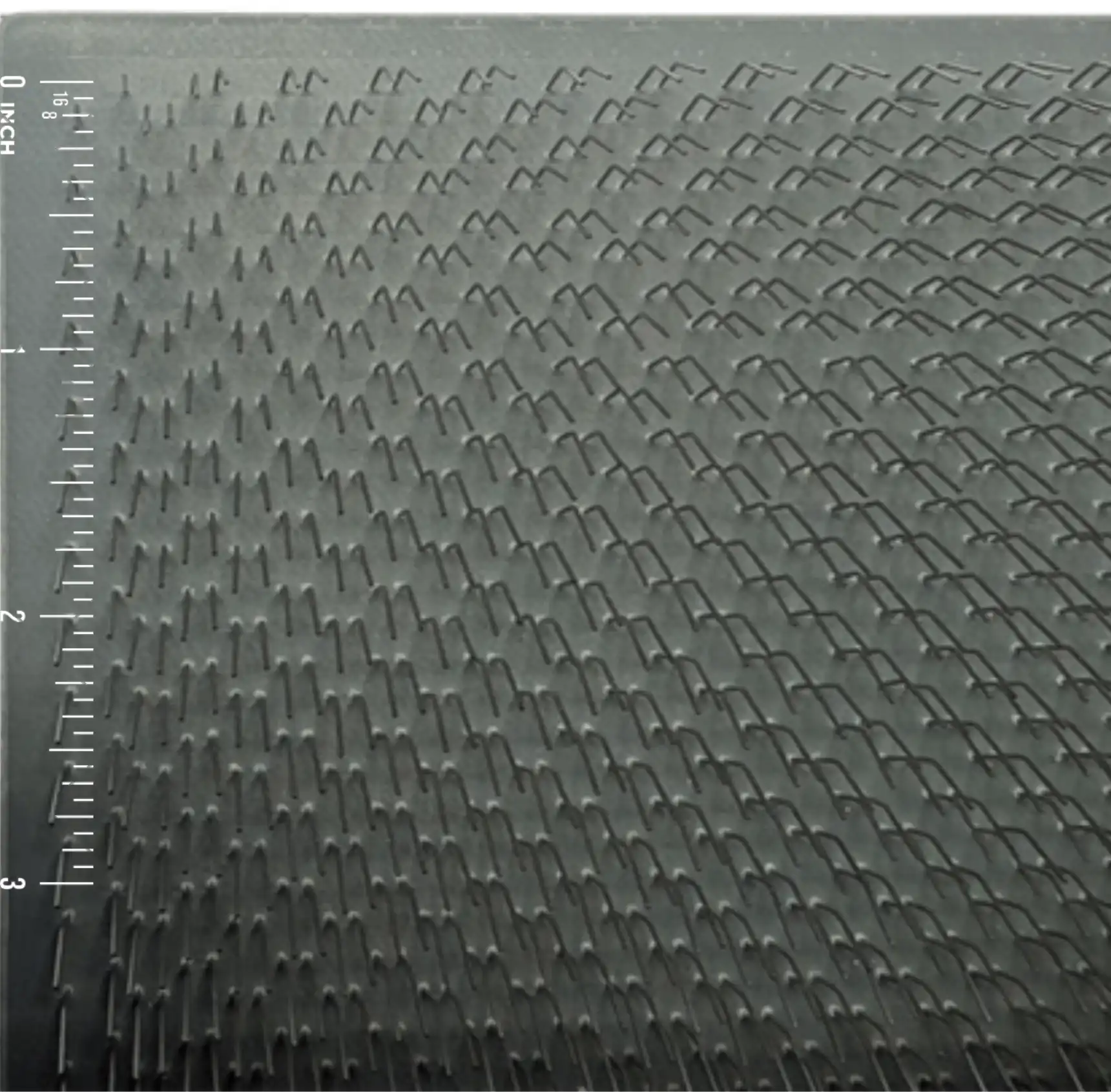
54 TPI Drum Carder Cloth
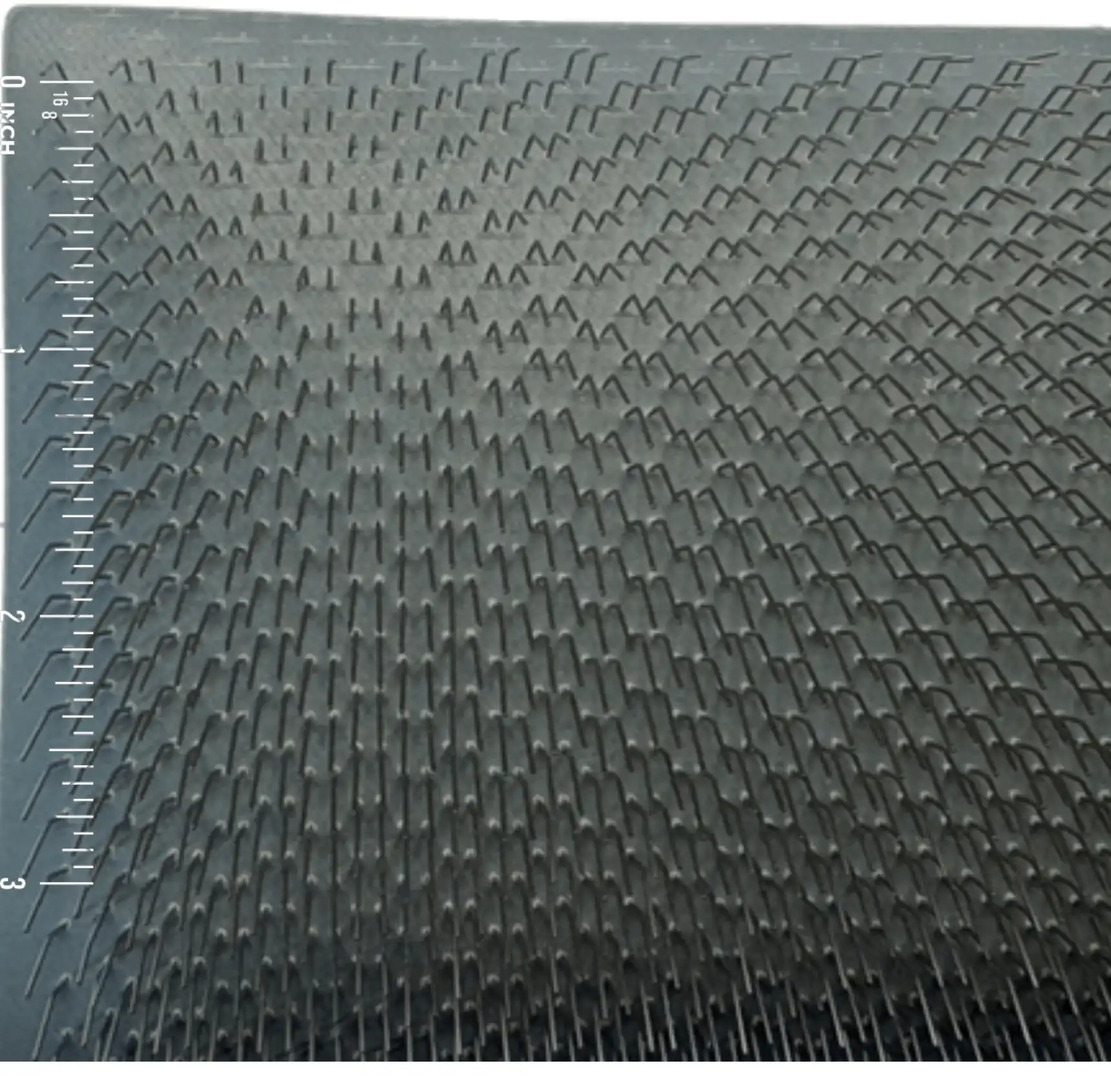
72 TPI Drum Carder Cloth
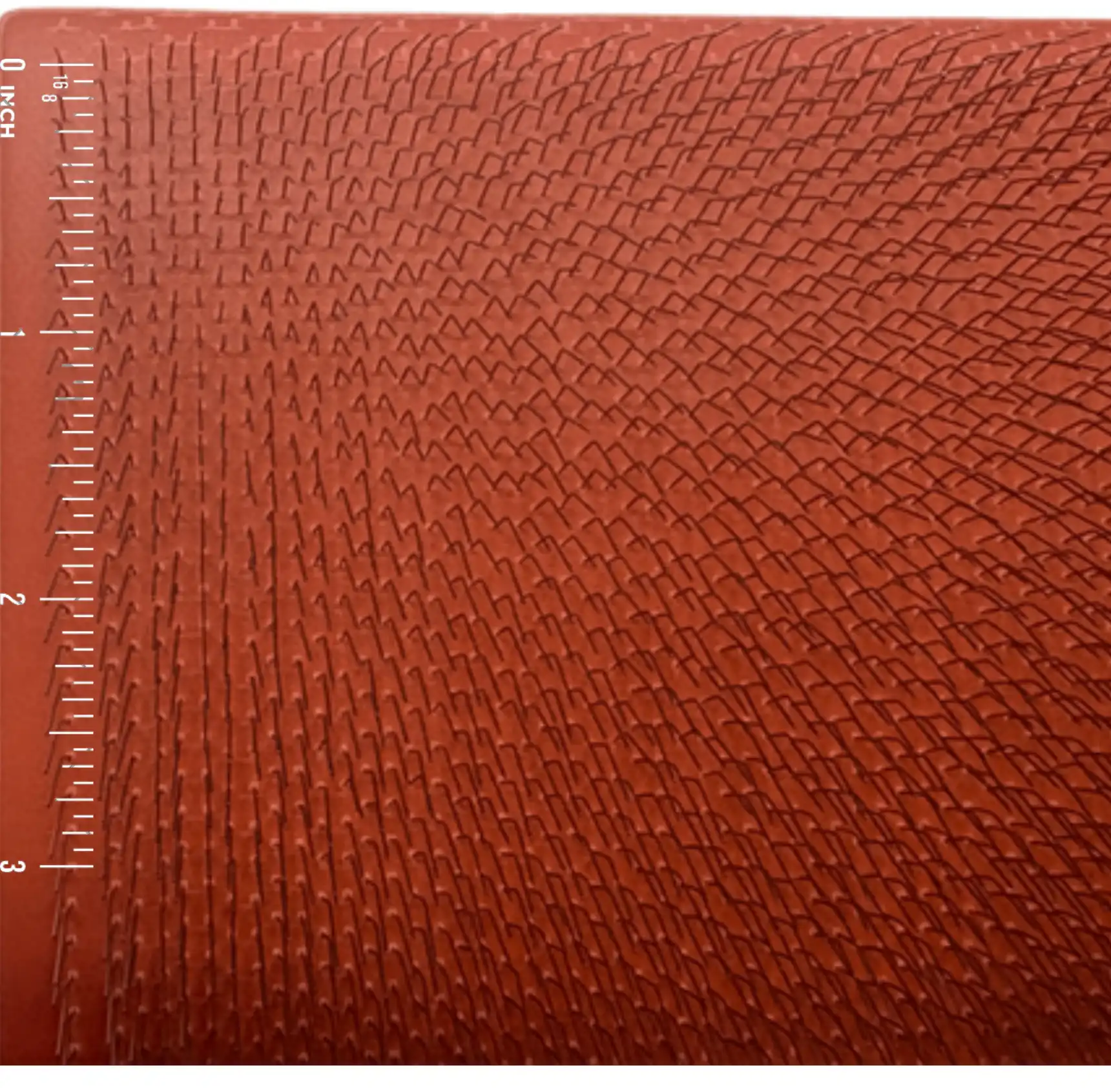
120 TPI Drum Carder Cloth
Which TPI for Fine Fibers and Other Fiber Types?
You can’t determine the right TPI (teeth per inch) for your drum carder based on fiber breed or type alone. For example, Merino wool is available in a wide range of fiber diameters, from 18.5 to 27 microns. Microns measure the thickness of individual fibers. For comparison, a human hair is typically 50–100 microns thick.
When choosing carding cloth, it’s best to consider both the fiber’s micron count and how you plan to use it.
54 TPI: Best for Coarse Fibers
54 TPI carding cloth is ideal for coarse fibers measuring 33 microns and up. These include many traditional European sheep breeds, such as Icelandic, Bergschaf and Texel.
It’s also a good choice for fibers that aren’t perfectly clean or are somewhat tangled. Some fiber artists prefer 54 TPI when creating textured batts, especially when adding wool nepps or other fiber accents. These chunky art batts can be spun into yarn with beautiful texture and character.
72 TPI: The Most Versatile Option
72 TPI carding cloth is the most versatile choice for a wide range of common fibers, including Merino, Corriedale, and Romney, generally ranging from 23 to 33 microns.
Its higher tooth density compared to 54 TPI makes it great for blending different fiber tops on a drum carder or blending board. At the same time, the wire is sturdy enough to handle coarser wool breeds, making this an excellent all-around option.
120 TPI: Best for Fine Fibers
120 TPI carding cloth is designed for very fine fibers measuring less than 23 microns. Suitable examples include fine Merino, baby alpaca, angora, silk, and cotton.
With a 120 TPI drum carder you can create compact, smooth batts or roving that are well suited for spinning fine yarns. You can also use this cloth to blend different fibers, but avoid mixing in coarse fibers, which can become caught between the teeth.
You can card fine fibers on coarser cloths by making multiple passes through the carder, but the reverse does not work. Between each pass, rotate the batt 90 degrees before feeding it back into the carder. This helps distribute the fibers more evenly.
However, the reverse isn’t true: coarse or tangled fibers should not be carded on 120 TPI cloth. The fibers can become trapped between the closely spaced teeth, making carding difficult and potentially damaging the cloth.
| Carding Cloth | Best For | Fiber Diameter | Ideal Uses |
|---|---|---|---|
| 54 TPI | Coarse, slightly tangled, or textured fibers | 33 microns and up | Coarse wool, textured batts, wool nepps |
| 72 TPI | A wide range of everyday fibers | 23–33 microns | General-purpose carding, color blending, mixed fibers |
| 120 TPI | Very fine fibers | Under 23 microns | Fine, smooth batts and roving for fine yarns |
TPI on Drum Carders vs Hand Carders vs Blending Boards
Spinners can choose between a drum carder, a blending board, or hand cards, depending on their fiber preparation needs. A drum carder is typically used to process fleeces for spinning, make batts, and blend different fibers. Hand cards are a good option if you prefer to align fibers by hand and prepare them for spinning. Both drum carders and wool hand carders are available with 54 TPI, 72 TPI, and 120 TPI carding cloth.
If you mainly work with commercially processed fiber tops and want to create custom color blends, a blending board may be the right choice. Blending boards are available with 72 TPI and 108 TPI carding cloth, ideal for making rolags.
Can You Change the TPI Later
The TPI on our drum carders can be changed later by replacing the lickerin or main drum. We offer a drum carder with extra drums that are easy to install. It is important that the main drum has the same or a higher TPI than the lickerin. For example, you can use a 54 TPI lickerin with a 72 TPI main drum. Using a higher TPI on the lickerin than on the main drum can cause more fibers to remain on the lickerin. If you need to replace worn carding cloth or want to build your own drum carder or blending board, we offer carding cloth in a variety of sizes and types. The carding cloth must be stapled to the drums or blending board as glueing it will reduce the flexibility of the teeth.
Our Recommendation for Beginners
For most beginners, a 72 TPI drum carder is the best place to start. It handles a wide variety of fibers, giving you the flexibility to experiment with how to card wool, blend colors, and create your own unique fiber combinations.
If you plan to work exclusively with very fine fibers or cotton, a 120 TPI drum carder may be the better choice for your needs.
Ready to start your fiber journey? Explore our drum carders and find the right TPI for your projects. Choose the carding cloth that fits your fibers and start creating beautiful, custom blends!
FAQ
We recommend a drum carder with 72 TPI (teeth per in2 TPI (teeth per inch) ch) for beginners. It’s the most versatile option for carding and blending a variety of fibers. If you’re working with finer fibers, you can often achieve great results by running them through the drum carder multiple times.
The best choice depends on the fiber diameter.
-
120 TPI: Best for very fine Merino wool with a fiber diameter of less than 23 microns.
-
72 TPI: Best for Merino wool with a fiber diameter between 23 and 33 microns.
Choosing the right TPI for your fiber will help you achieve the best carding results.
No. A 120 TPI drum carder is not suitable for coarse wool. The fibers can become trapped between the teeth, potentially damaging the carding cloth. For coarse wool, we recommend a 54 TPI drum carder, which is better suited to handling coarser fibers.
Yes! We offer replacement drums that are easy to install, so you can switch to a different TPI as your fiber-processing needs change. Keep in mind that the licker-in (the smaller feed drum) should have a TPI that is equal to or lower than that of the main drum. If the licker-in has a higher TPI than the main drum, fibers may remain on the licker-in instead of transferring properly to the main drum.
