 TRUSTED BY FIBER ARTISTS | FREE WORLDWIDE SHIPPING

Blending Board for Wool and Fiber
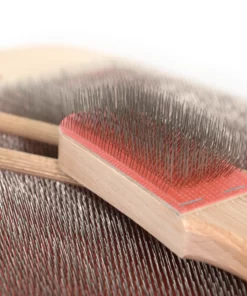
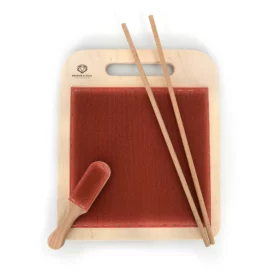
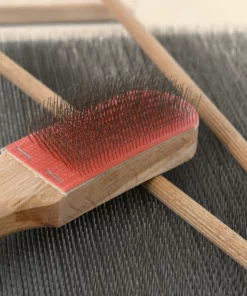
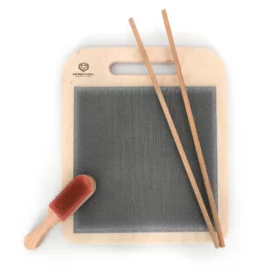
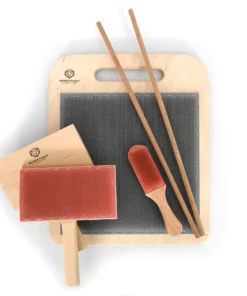
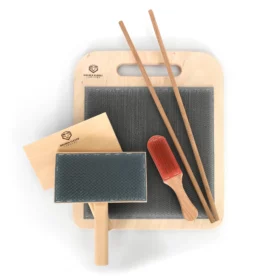
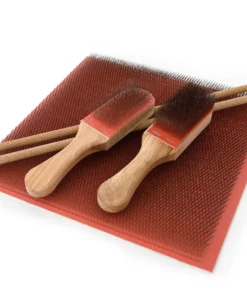
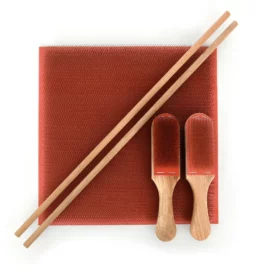
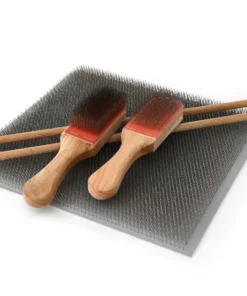
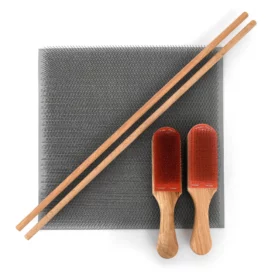
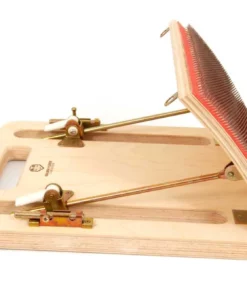
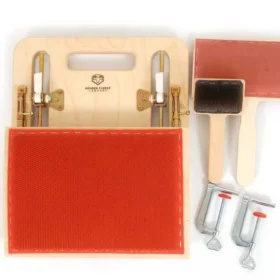
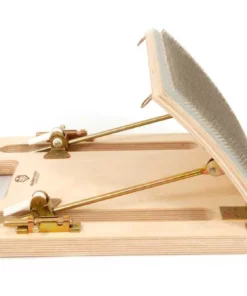
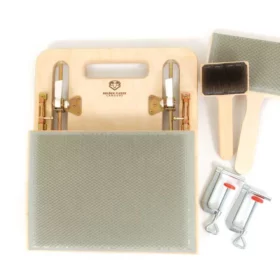
At Golden Fleece Carders, we manufacture blending boards that make it easy for fiber artists to create their own unique rolags! Our blending boards are available in two options: 72 TPI blending board for standard fibers and 108 TPI blending board for finer fibers, such as alpaca and cotton. The blending board includes a special blending brush tool and two rolag rollers. Not sure which TPI is right for you? Check out our TPI Guide to help you choose the best option for your fiber projects!
Blending boards
Blending boards
Blending boards
Blending boards
Blending boards
Blending boards
Blending boards
Blending boards
What are Blending Boards?
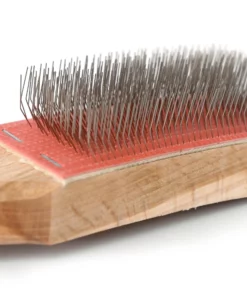
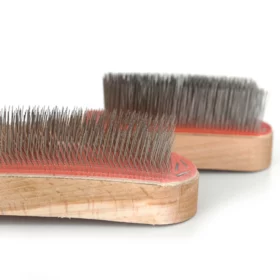
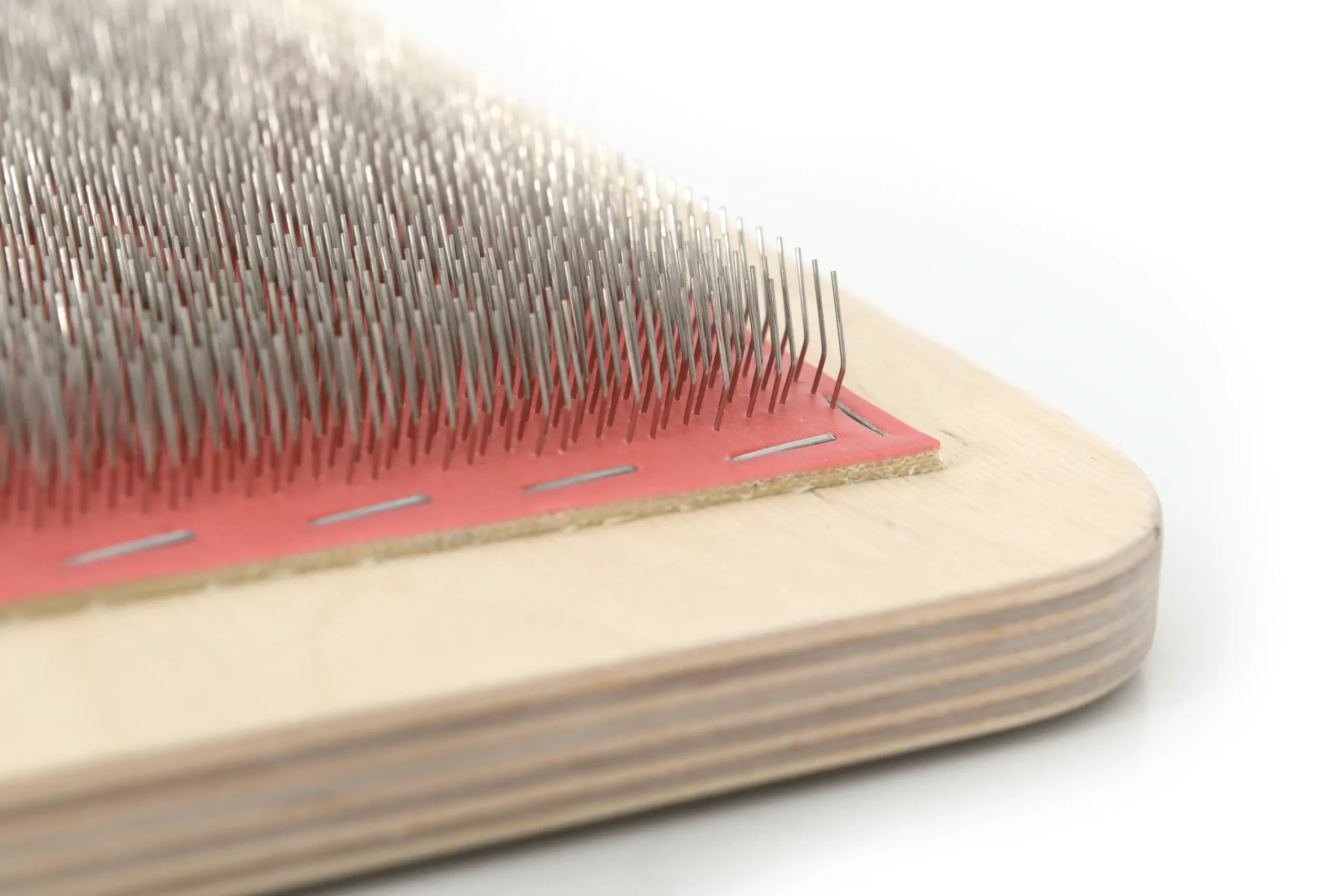
A blending board is a versatile tool for creating your own unique fiber blends. It also serves as a smaller alternative to drum carders for blending fiber. Combine different types of wool, cotton, silk, and other fibers with more creative control, including deliberate color placement or gradient mapping, to create beautiful color combinations and textures. The most important part of a blending board is the carding cloth. Our blending boards feature a 12″ × 12″ (30 × 30 cm) carding surface with slightly longer wire teeth than those found on hand cards or drum carders. The open design also makes the board easy to clean. The longer teeth hold more fiber, making it easier to create full, fluffy rolags ready for spinning, smooth or more carded-style roving, or batts for felting. Golden Fleece Carders is the only blending board manufacturer that makes its own carding cloth.The back of the board features a non-slip rubber backing to keep it stable and secure, whether you’re working on your lap or on a tabletop. They’re also compact, lightweight, and generally more affordable than drum carders.
How to make Rolags on a Blending Board
Start by brushing the fiber onto the blending board, working from the top of the board toward the bottom. You can add approximately 1.75 ounces (50 gram) of fiber to the board.
Once you’ve covered the board with fiber, use your brush to gently lift the fibers along the bottom edge. Slide one rolag roller rod underneath the layer of fiber and place a second roller rod on top, sandwiching the fibers between the two rods.
With one hand on each end of the rollers, rotate both rods together to begin wrapping the fibers around them. Carefully lift the fibers away from the wire teeth as you roll to make the process easier.
Next, gently lift the rolag rollers away from the board and pull towards you, allowing the fibers to draw out into a smooth, even rolag. Once you’ve finished rolling, slide the rollers out and you’ll have a beautiful, one-of-a-kind rolag ready to be spun into your own unique yarn!
72 or 108 TPI Carding Cloth: Which Blending Board?
We offer blending boards in two options: 72 TPI and 108 TPI. The best choice depends on the type of fiber you plan to work with and the texture you want to achieve. The 72 TPI blending board is ideal for most common wool fibers like merino, with a fiber diameter greater than 23 microns, as well as many synthetic fibers, and is generally better suited to fibers that are not very fine. It creates more textured rolags and batts compared to the 108 TPI version. The 108 TPI blending board is designed for finer fibers with a diameter of less than 23 microns, such as baby alpaca, cotton, and silk, since the number of teeth generally increases as fibers get finer. Its finer teeth are better suited to working with these delicate fibers and can create a little more grip on the fiber. Not sure which option is right for your purchase? Consider the types of fiber you work with most often and the results you want to achieve. For many shoppers, the choice comes down to personal preference once both options fit their fibers and workflow.

72 TPI Blending Board
For common fibers like merino
108 TPI Blending Board
For fine fibers like baby alpaca or silk
Blending Boards vs Drum Carders vs Hand Carders
Blending boards are designed for blending and preparing fiber, not to card fleece. The wire teeth are longer than the teeth on a drum carder or hand cards, and capacity is easier to compare than on drum carders because boards are more standardized. This allows a blending board to hold more fiber, but the pins are too flexible to effectively card tangled fleeces or fibers. The total blending board measures 18″ x 14″ x 2″ (45 x 35 x 2 cm) making it is easy to store!
A drum carder, on the other hand, can be used for both carding and blending. When carding, most people feed the fiber from the feed tray into the licker-in drum. When blending, most people prefer to place the fibers directly onto the main drum, as this gives them more control over how the different fibers are arranged in the batt.
Hand carders hold less fiber than either a drum carder or a blending board, which means they produce smaller rolags. However, hand cards are primarily used for carding fibers rather than blending larger quantities of fiber, with the hand-carder paddle carrying the carding cloth and making it easier to work through small locks of fiber.
| Fiber Tool | Best For | Notes |
|---|---|---|
| Blending Board | Blending and mixing fibers | Not suitable for carding tangled fleece. |
| Drum Carder | Carding and blending fibers | Different techniques are used for carding and blending. |
| Hand Cards | Carding and preparing fibers | Ideal for carding and untangling fleece. |
Combo Deal and DIY Kit
Golden Fleece Carders offers a combo deal for fiber artists who want to both card and blend fibers! The combo includes a pair of hand cards, a blending board, a special blending brush, and a pair of rolag rollers. With this combo, you’ll have all the essential tools you need to transform raw fleece into beautiful rolags, ready for spinning!
We also offer DIY kits, which include the core materials for making your own board: a 12″ × 12″ (30 × 30 cm) blending board cloth, two rolag rollers, and a set of two blending brushes.
All you need to do is attach the blending board cloth to a wooden board using staples and staple it securely in place. An acacia wood cutting board can be a good base option. Be sure to match the board size to the blending board cloth before assembly. It’s important to use staples rather than glue, as glue can reduce the flexibility of the wire teeth and affect the cloth’s performance. Here are a few assembly tips: secure stapling helps keep the cloth edges in place.
FAQ
A blending board is designed to mix different fibers to create unique rolags for spinning or custom batts for felting projects. It features specially designed blending cloth with longer wire teeth than standard carding cloth, making it ideal for blending and layering fibers.
The TPI (teeth per inch) you should choose depends on the type of fiber you plan to work with. We recommend 72 TPI for coarser fibers measuring 23 microns or more, such as Merino wool. For finer fibers measuring less than 23 microns, such as baby alpaca or silk, we recommend 108 TPI. For most beginners, we recommend the 72 TPI blending board cloth because it’s the most versatile option and works well with a wide range of fibers.
To make rolags on a blending board, layer your wool or other fibers onto the blending cloth using your hands or a blending brush. Once you’ve created your desired blend, use the pair of rolag rollers to gently roll and remove the fibers from the board. Your rolags are now ready for spinning! You can experiment with different fibers and colors to create unique blends for your spinning projects.
We highly recommend using our blending brush, which is specially designed for blending fibers. Its longer teeth reach deep into the blending board cloth, helping you make the most of your board’s full capacity. Our rolag rollers are designed to grip the fibers securely, making it easier to roll and remove your rolags from the board. Some fiber artists also use knitting needles as an alternative.
A blending board is an affordable and fun way to experiment with different fibers, colors, and textures. However, it’s designed for blending fibers, not for carding fleece. A drum carder is a bigger investment, but it allows you to both card and blend fibers. The best choice depends on your fiber projects and what you plan to create!